College Students and International Travel
Original Research Report | Summer 2026
VIDEO COMING SOON…….

Summary of Study
The College Student International Travel Preferences Survey examined the travel behaviors, motivations, and airline preferences of college-aged travelers through responses from 51 students. The findings reveal that Generation Z demonstrates a strong interest in international travel, with most respondents having already traveled abroad and an even greater proportion expressing intentions to continue traveling internationally in the future. While leisure travel remains the primary motivation, study abroad, internships, and educational opportunities also play a significant role in shaping international travel demand among college students.
The survey further highlights that affordability remains the dominant factor influencing airline selection, though flight schedules, route availability, comfort, and airline reputation also strongly affect booking decisions. Interestingly, while many students participate in airline loyalty programs, loyalty membership alone does not consistently determine purchasing behavior, suggesting that price and convenience often outweigh long-term rewards for younger travelers.
Overall, the findings indicate that today's college students represent a rapidly growing and highly travel-oriented consumer segment whose preferences emphasize value, flexibility, and meaningful international experiences. These insights provide valuable implications for airlines, tourism organizations, universities, and travel marketers seeking to better engage Generation Z travelers.
Key Highlights
86% of respondents have traveled internationally
91% of respondents have traveled for leisure
Price is the #1 factor influencing airline selection
41% have or intend to study abroad
82% plan to travel internationally again
Why This Study Matters
These findings suggest Generation Z represents one of the airline industry's most promising long-term customer segments. While affordability remains the dominant booking factor today, students who begin traveling internationally during college may develop lifelong travel habits and airline relationships. Airlines, tourism organizations, and universities therefore have an opportunity to cultivate early brand affinity through student-focused pricing, educational partnerships, and flexible travel options.
Respondent Demographics
The survey primarily captured responses from traditional college-aged students. One-third of respondents (33.3%) were 19 years old, followed by students aged 20 (19.6%) and 21 (15.7%). Second-year and third-year undergraduate students each represented approximately 29.4% of participants, while fourth-year students accounted for 19.6%. This demographic distribution provides a representative snapshot of students actively engaged in undergraduate education during a period when many begin studying abroad, pursuing internships, or independently planning international travel.
International Travel Experience
International travel was already common among respondents. More than 86% indicated they had traveled internationally at least once, while only a small percentage had not yet traveled or were planning their first international experience. Among those with prior travel experience, most had completed between one and three international trips, although several respondents reported extensive travel histories involving six or more international journeys.
Percent of Respondents Who've Traveled Abroad
These findings suggest that international travel is increasingly becoming a normal part of the college experience rather than an exceptional opportunity. Exposure to global travel at younger ages may contribute to greater confidence in future international travel and increased openness toward studying, working, or living abroad later in life.
Travel Motivations
Leisure travel overwhelmingly emerged as the primary reason students travel internationally, selected by more than 90% of respondents. Educational experiences also played a substantial role, with approximately 41% indicating interest in studying abroad, while over one-quarter reported traveling for work or internship opportunities.
These findings demonstrate that international travel among college students extends beyond tourism alone. Educational mobility, career development, and experiential learning have become increasingly important components of Generation Z's travel decisions. Universities, airlines, and destination marketing organizations may benefit from expanding partnerships that integrate academic programs with travel experiences.
Airline Decision Factors
When respondents ranked factors influencing airline selection, price consistently emerged as the most important consideration. Flight scheduling, route availability, comfort, and airline reputation followed closely behind.
By comparison, airline loyalty programs, recommendations from others, and social media marketing ranked considerably lower. This suggests that although branding and customer engagement remain valuable, students continue to make highly practical purchasing decisions based primarily on affordability and convenience.
For airlines seeking to attract younger travelers, competitive pricing strategies and convenient route networks may be more effective than emphasizing premium services or loyalty incentives alone.
Airline Familiarity
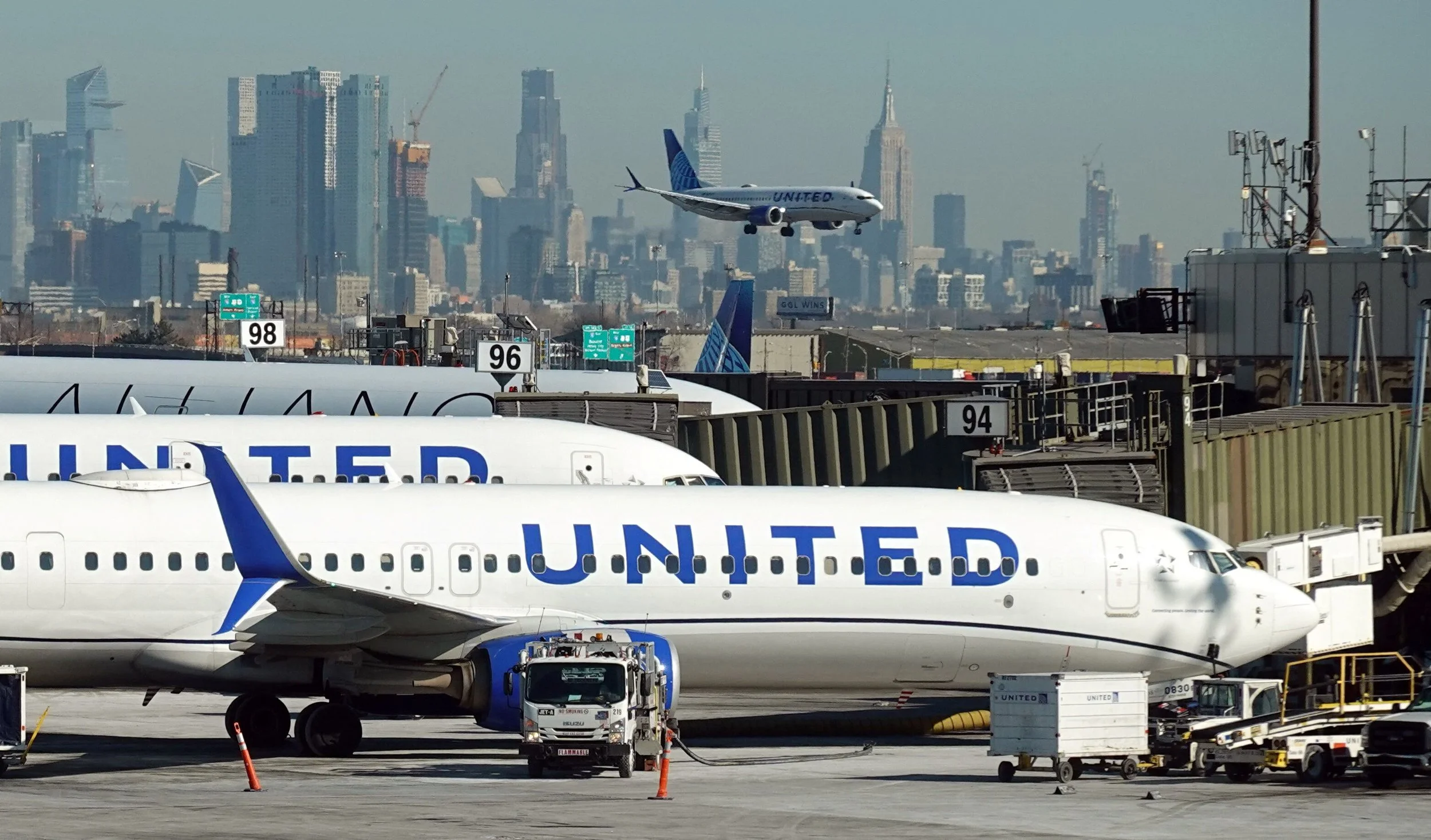
Students demonstrated broad familiarity with major domestic airlines. United Airlines was recognized by over 93% of respondents, followed closely by Delta Air Lines (84%) and American Airlines (80%). International carriers such as Emirates, Lufthansa, Air France, British Airways, and KLM also exhibited moderate brand recognition, reflecting growing exposure to international travel among younger consumers.
This widespread awareness indicates that established airline brands maintain strong visibility among college travelers. However, lower recognition of several international carriers suggests opportunities for global airlines to strengthen their presence through targeted marketing campaigns aimed at younger audiences.
Airline Loyalty Programs
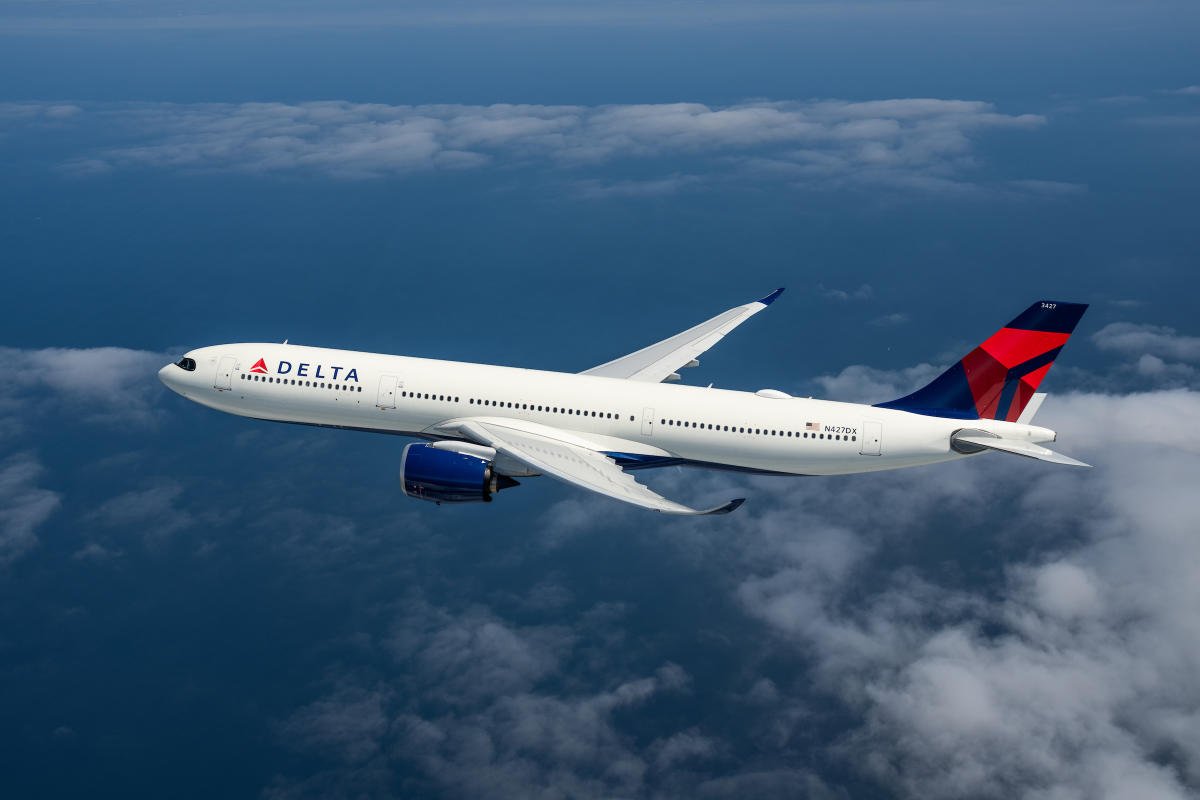
Nearly 60% of respondents reported belonging to an airline rewards program. United Airlines and Delta Air Lines represented the most commonly used loyalty programs, followed by American Airlines and Southwest Airlines.
Despite relatively high enrollment, loyalty membership did not necessarily translate into booking decisions. When asked whether airline rewards influenced travel purchases, responses were nearly evenly divided between "Yes," "No," and "Maybe." This suggests that while students recognize the value of loyalty programs, immediate financial considerations frequently outweigh long-term reward accumulation.
For airlines, this finding indicates that loyalty programs alone may be insufficient to attract younger travelers unless combined with tangible short-term benefits such as discounted fares, waived baggage fees, or student-specific promotions.

Future Travel Intentions
Future international travel intentions were exceptionally strong. More than 82% of respondents indicated plans or interest in traveling internationally in the future. While approximately 42% already had finalized travel plans, nearly 58% expressed general interest despite not yet having concrete itineraries.
This gap between interest and finalized plans presents a significant opportunity for airlines, study abroad providers, and tourism organizations. Marketing efforts that reduce financial uncertainty or simplify travel planning may help convert aspirational travelers into active customers.
Airline Preferences
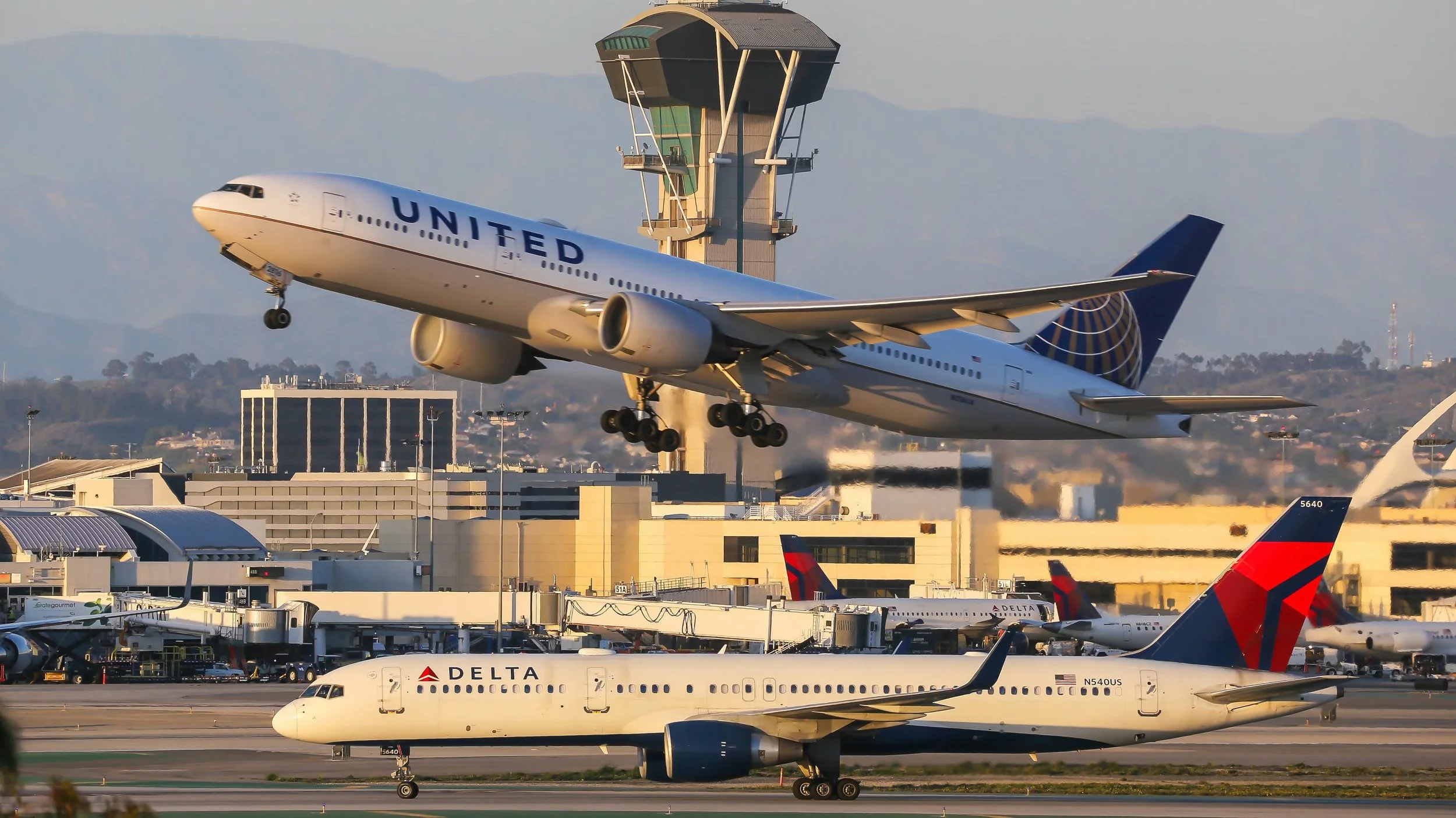
Slightly more than half of respondents indicated they maintain a preferred airline when traveling internationally. Delta Air Lines and United Airlines appeared most frequently among written responses, reflecting their strong domestic presence and extensive international networks.
Nevertheless, almost half of respondents reported having no preferred airline, reinforcing earlier findings that practical factors such as ticket prices and scheduling often outweigh brand loyalty among college travelers.
Conclusion
The survey demonstrates that Generation Z college students represent a highly engaged and increasingly experienced international travel market. Respondents expressed strong interest in future travel while consistently prioritizing affordability, scheduling flexibility, and destination accessibility over traditional loyalty incentives.
These findings suggest that organizations serving younger travelers should focus on reducing barriers to international travel through competitive pricing, flexible booking policies, and partnerships with educational institutions. As international mobility continues to recover and expand, college students represent an influential consumer segment whose travel habits today are likely to shape long-term airline loyalty and global tourism demand.
About This Research
This report presents findings from an original survey conducted among 51 college students examining international travel behaviors, airline preferences, and destination decision-making.
The research explores:
International travel frequency
Airline familiarity
Loyalty program participation
Booking behavior
Future travel intentions
This study was independently conducted by myself, Terrion Evans, as part of an ongoing aviation marketing research initiative.
